FoodLab Chicago 7.0 Cohort Applications open now

FoodLab Chicago is an insightful educational program designed for chefs, restaurateurs, caterers, food truck vendors, culinary artists, and other food-related businesses who are looking to take their businesses to the next level.


FoodLab Chicago is excited to invite you to apply to our 7.0 cohort to engage in a blend of classroom training sessions and one-on-one coaching curated to enhance and strengthen your skills in food service account management, food costing, and more.


Foodlab Chicago 7.0 will kick off on Monday, April 20, 2026. Sessions will take place in the Community Room of Seaway, a Division of Self-Help Federal Credit Union, at 639 E. 87th Street.


Please submit your application early for review, as seating is limited.


Thanks to the generous support of our sponsors, participation in our FoodLab 7.0 Cohort is offered at no cost to participants.

Why FoodLab Chicago?

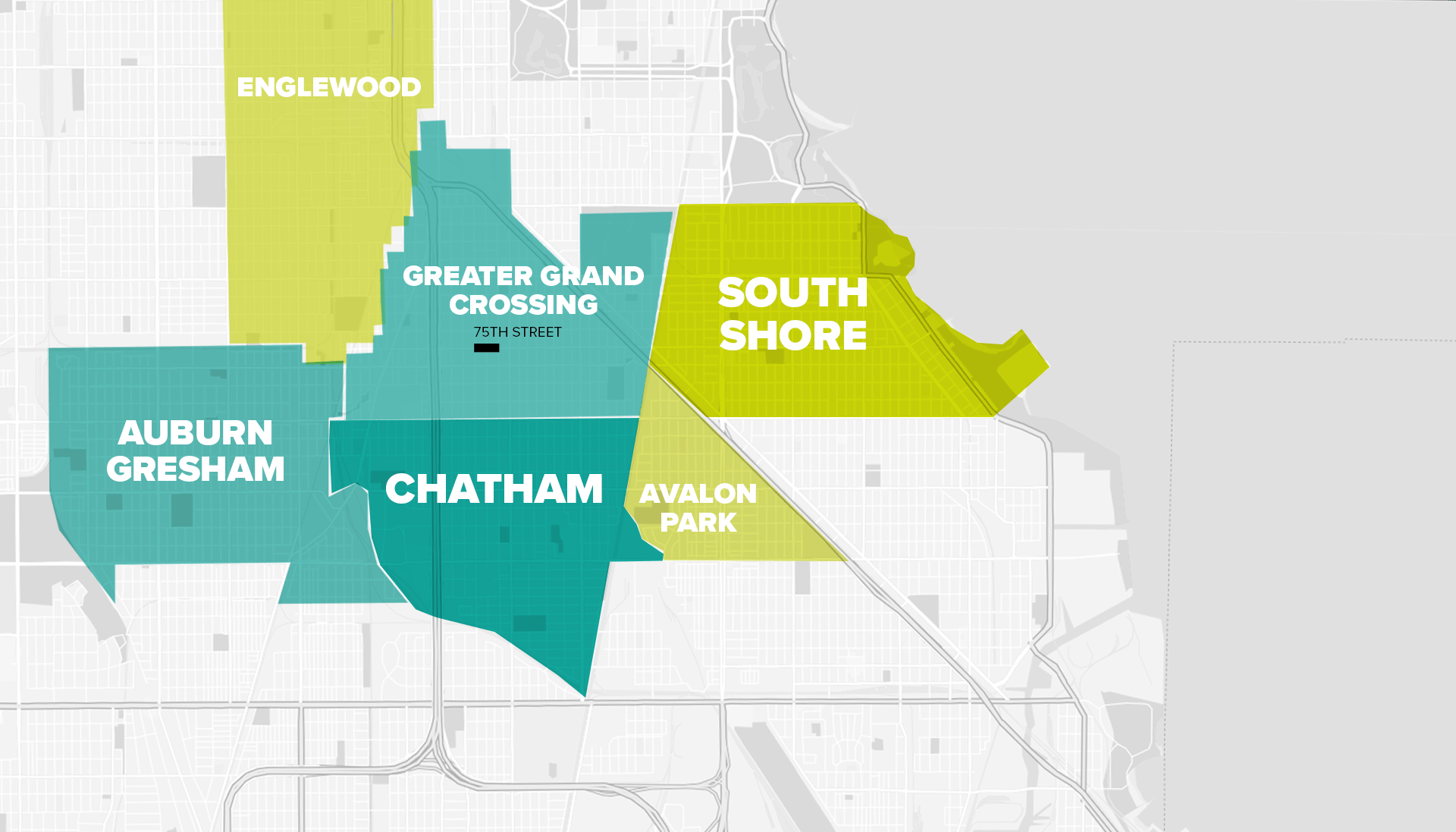
  • Since its launch, FoodLab Chicago has assisted 105 BIPOC-owned food-based businesses, primarily located in Greater Chatham or the broader South Side. Selected participants have secured over $8.5 million in grants and loans and increased their profits with menu engineering from 3% to 38%.
  • FoodLab Chicago seeks to support Black and Brown food service entrepreneurs who have been operating for at least 12-18 months and are located in Chicago.
  • Topics include Menu Engineering, Plate Costing, Food Service Accounting, Financial Management, Marketing, and more.


Cohort Member Responsibilities

  • Attend weekly in-person sessions each Monday from 9:00 am to 12:00pm.
  • Location: Seaway, a Division of Self-Help Federal Credit Union – Community Room
  • 639 E. 87th Street, Lower Level
  • Chicago, IL 60619


Questions? Contact ciera@greaterchathaminitiative.org

FoodLab Chicago

Your restaurant's financial prosperity begins on the plate. We partner with restaurant owners for rapid growth and prepare them to access capital and build great company culture. Our growth-oriented, practical, peer-to-peer driven workshops are designed to drive our cohort members to enhance their business practices, resulting in increased revenues, and a strong company culture required to hire and retain great staff.

Tentative Program Dates & Session Details

  1. Week 1: Introduction to FoodLab Chicago, Menu Engineering & Storytelling Workshop with Menu Engineers, Part 1
  2. Week 2: Intro to Plate Costing and Meez Software
  3. Week 3: Food Service Big Three & Recipe Building in Meez
  4. Week 4: Food Service Accounting Management, Part 1
  5. Week 5: Food Service Accounting Management, Part 2
  6. Week 6: Food Service Accounting Management, Part 3
  7. Week 7: Food Service Accounting Management, Part 4
  8. Week 8: Brand Development & Marketing, Part 1
  9. Week 9: Brand Development & Marketing, Part 2
  10. Week 10: Menu Engineering & Storytelling Workshop with Menu Engineers, Part 2
  11. Week 11: Market Research & Menu Pricing
  12. Week 12: Food Service Inventory: Best Practices
  13. Week 13: Food Service Inventory Process
  14. Week 14: Business Model and Planning
  15. Week 15: Access to Capital Workshop
  16. Week 16: Graduation!

Curriculum Details

Plate Costing & Menu Engineering


If every plate is profitable, then the restaurant will be profitable!

Implementing MEEZ Culinary software to drill down into each plate's profitability. Menu matrix building to analyze and maximize profitability, including pricing.

Knowing your numbers to make data driven decisions


Are you making a profit? How do you know?

Prime cost tracking gives you real-time tracking of your labor and food expenses, giving you the data to make decisions.

Maximize profits to support marketing, team development, sustainable wages, etc.


Building your team Digital PRESENCE


How to pull off working "ON" your business versus always working "IN" your business?

Build your team combined with SOPs.

77% of frequent diners will check out the restaurant's website before deciding to eat in or order out. Build your patron database

How it works

FoodLab Chicago focuses on supporting Black-owned restauranters that create jobs and build community. We prioritize innovative and scalable business models that emphasize healthy food, quality jobs, and demonstrates the ability to build a more equitable, just and sustainable food system.


Core areas include:


Educational sessions surrounding concepts such as accounting system basics, capitalization and financial records, designed to help you improve your financial practices and make better business decisions.


• Financial Operations: Our team of small business experts meet you where you are and work with you on the financial operations issues relevant to your business, such as budgeting and expense tracking, implementing QuickBooks and creating financial statements, forecasting and anticipating revenue and cash flow based on current and future economic outlooks.


• Plate cost – implementing MEEZ Culinary software to drill down into each plate's profitability.


• Menu engineering – Menu matrix building to analyze and maximize profitability, including pricing


The accelerator is driven by a practical curriculum and a supportive, peer-to-peer learning environment where each participant brings his or her current business challenges and opportunities into the classroom, building a stronger, more deeply connected entrepreneurial ecosystem on Chicago's Southside.


• Peer Roundtables: Get industry intelligence, advice, tools, and honest takes from industry leaders tackling their restaurants' greatest challenges


Focus areas:


• Food Innovation. CSSI Culinary Consultants will lead this focused effort to produce food innovators.

• Community Economic Development. focuses on supporting Black entrepreneurs growing multiple brick-and-mortar businesses that create jobs and build community along the Broad Street corridor.

programming

For 22 food business entrepreneurs we'll create business income growth, higher wages for workers and decrease local restaurant leakage in 2020. Providing integrated services to largely mature food businesses owned by people of color, addressing acute barriers that hamper their growth.

Curriculum

Your needs and the needs of the community are urgent. That's why we're offering free workshops and panels through FoodLab Chicago. These events will provide Rapid Response Support for your business, including:


  • Help accessing emergency relief funds from the SBA and other programs
  • Help assessing your immediate liquidity needs
  • Assistance to stretch the capital your small business currently has
  • Help rethinking business strategies to respond to your new normal


11 sessions of restaurants management curriculum – leadership, HR, accounting, cashflow, marketing, CPG, story telling, pitch


Panel discussions & fireside chats -including triple bottom line, future of food, grocery channel

Peer-to-Peer Mentoring & Networking

Chicago paired with Detroit Restaurants

One-on-One Tech Assistance

Technical Assistance and coaching

Thank You to Our Funders

where we work

contact us

Foodlab chicago

Don't hesitate to reach out with the contact information below, or send a message using the form.

639 E. 87th St, Suite 2240 Chicago, IL 60619

639 E. 87th St, Suite 2240

Chicago, IL 60619

foodlabchicago@GreaterChathamInitiative.org

(773) 644-1451

Contact Us

Black and white illustration of a newspaper, labeled "NEWS".

In the News

We’re proud to support a community full of energy, creativity, and connection. Explore how our work is making an impact—and how others are sharing that story—in recent articles and press features.

By duda • June 30, 2025
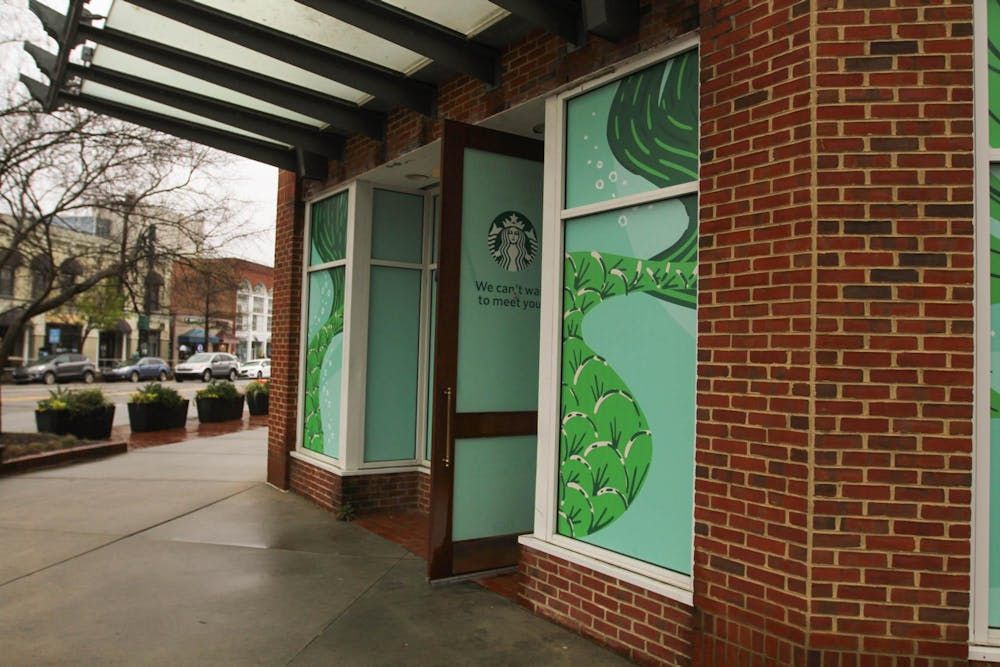
Franklin Street is an iconic Chapel Hill landmark — during the school year, students can be seen enjoying an after-class snack, studying at coffee shops or buying UNC merchandise. Visitors, town residents and students dine, shop and work alongside each other. It is a bustling hub of UNC community life. However, due to decreased patronage during the COVID-19 pandemic, some storefronts on Franklin Street have closed their doors permanently, and the effects are still being felt to this day — for instance, Linda’s Bar & Grill, a staple to the Chapel Hill community, closed this January citing loss of revenue and problems with staffing. Despite this, new developments are coming to Franklin Street. Two storefronts at the intersection of Franklin and Columbia streets, — which previously housedMidici and Seafood Destiny Express — will soon have new life. “Those spaces were empty for quite a long time. And I know everybody in our town was hoping that somebody would come along and fill those spaces,” Jeri Lynn Schulke, executive director for Chapel Hill Downtown Partnership, said. “So thankfully, we saw Raising Cane’s come in last year, and with the two other corners being full, it just gives a lot of vibrancy to downtown that was missing with those empty storefronts.” Starbucks, currently located next to Raising Cane’s, will be moving into a larger space across the street to accommodate more patrons. Raising Cane’s purchased the whole building including the retail space Starbucks currently occupies, and what comes next for that space is still to be announced. Playa Bowls, an acai bowl chain based out of New Jersey, will open next to Starbucks' new location later this summer. Playa Bowls will serve a variety of smoothies, acai bowls and drinks inspired by the founder's travels while surfing. Pulp Juice & Smoothie Bar will move into what was previously Seafood Destiny. Dame’s Chicken and Waffles, which closed earlier this year, will be replaced by Voodoo Wings. In May, Cosmic Cantina moved from its location on 128 E. Franklin St. to 118 E. Franklin St. to expand services and make way for developments related to UNC’s Campus Master Plan. “The biggest change is that we're a storefront. Now we're not so much a hole in the wall,” Yeshua Sanchez, manager of Cosmic Cantina, said. The business is now located on the street — attracting more foot traffic — and is decorated with tiles and memorabilia celebrating Chapel Hill. While the new location may be different aesthetically, the menu remains the same, with the addition of a liquor license and a pressed juice bar. "There's a lot of energy that has been put forward both by the Town and the University in trying to bring more workers to downtown and more people working downtown," Schulke said. Michele Phipps, a junior at UNC, said she wishes that there was somewhere students could sit down and chat without having to pay for food or coffee, or places centered around activities rather than dining. “We have the on-campus spots, but it’s difficult to ask people that don’t specifically go to UNC to meet you at UNC places,” she said. “If you have a lot of friends or family outside of it, it’s annoying.” Schulke said that having more places where people work and people live is going to be beneficial to downtown, including for non-student, year-round residents outside of those associated with UNC.  “[For] so long, we have been a nine-month economy just really focusing on students. So much of the livelihood of downtown businesses has been reliant on students. When they go away for the summer — or the vast majority do — some businesses really struggled through that,” Schulke said. “So changing our economy to one downtown that can be sustained year-round, is really the right move that the town is making.”
By duda • June 30, 2025
Franklin Street is an iconic Chapel Hill landmark — during the school year, students can be seen enjoying an after-class snack, studying at coffee shops or buying UNC merchandise. Visitors, town residents and students dine, shop and work alongside each other. It is a bustling hub of UNC community life. However, due to decreased patronage during the COVID-19 pandemic, some storefronts on Franklin Street have closed their doors permanently, and the effects are still being felt to this day — for instance, Linda’s Bar & Grill, a staple to the Chapel Hill community, closed this January citing loss of revenue and problems with staffing. Despite this, new developments are coming to Franklin Street. Two storefronts at the intersection of Franklin and Columbia streets, — which previously housedMidici and Seafood Destiny Express — will soon have new life. “Those spaces were empty for quite a long time. And I know everybody in our town was hoping that somebody would come along and fill those spaces,” Jeri Lynn Schulke, executive director for Chapel Hill Downtown Partnership, said. “So thankfully, we saw Raising Cane’s come in last year, and with the two other corners being full, it just gives a lot of vibrancy to downtown that was missing with those empty storefronts.” Starbucks, currently located next to Raising Cane’s, will be moving into a larger space across the street to accommodate more patrons. Raising Cane’s purchased the whole building including the retail space Starbucks currently occupies, and what comes next for that space is still to be announced. Playa Bowls, an acai bowl chain based out of New Jersey, will open next to Starbucks' new location later this summer. Playa Bowls will serve a variety of smoothies, acai bowls and drinks inspired by the founder's travels while surfing. Pulp Juice & Smoothie Bar will move into what was previously Seafood Destiny. Dame’s Chicken and Waffles, which closed earlier this year, will be replaced by Voodoo Wings. In May, Cosmic Cantina moved from its location on 128 E. Franklin St. to 118 E. Franklin St. to expand services and make way for developments related to UNC’s Campus Master Plan. “The biggest change is that we're a storefront. Now we're not so much a hole in the wall,” Yeshua Sanchez, manager of Cosmic Cantina, said. The business is now located on the street — attracting more foot traffic — and is decorated with tiles and memorabilia celebrating Chapel Hill. While the new location may be different aesthetically, the menu remains the same, with the addition of a liquor license and a pressed juice bar. "There's a lot of energy that has been put forward both by the Town and the University in trying to bring more workers to downtown and more people working downtown," Schulke said. Michele Phipps, a junior at UNC, said she wishes that there was somewhere students could sit down and chat without having to pay for food or coffee, or places centered around activities rather than dining. “We have the on-campus spots, but it’s difficult to ask people that don’t specifically go to UNC to meet you at UNC places,” she said. “If you have a lot of friends or family outside of it, it’s annoying.” Schulke said that having more places where people work and people live is going to be beneficial to downtown, including for non-student, year-round residents outside of those associated with UNC.  “[For] so long, we have been a nine-month economy just really focusing on students. So much of the livelihood of downtown businesses has been reliant on students. When they go away for the summer — or the vast majority do — some businesses really struggled through that,” Schulke said. “So changing our economy to one downtown that can be sustained year-round, is really the right move that the town is making.”