



















Your Restaurant’s Financial Prosperity Begins on the Plate

Transform your relationship with money & community

WHAT IS FOODLAB CHICAGO?

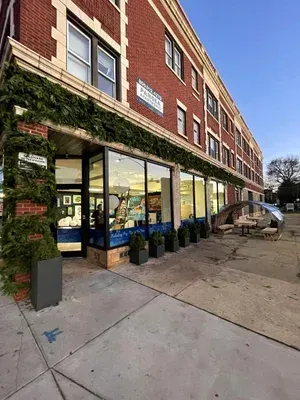
FoodLab Chicago was created because we believe that restaurants anchor the Black community, and that they are built on a foundation of thoughtful business strategies, cool design, great food & beverage operations, and a genuine desire to add to the culture vitality of the community.

HIGHLIGHTS AND CALLS TO ACTION

Come dine at one of the corridor’s authentic soul food or Caribbean food restaurants.

Places to Visit

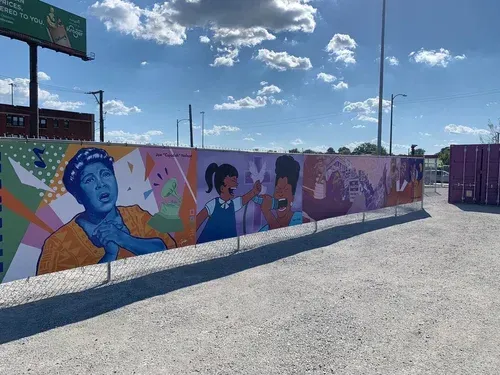
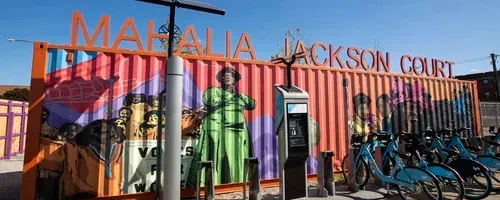
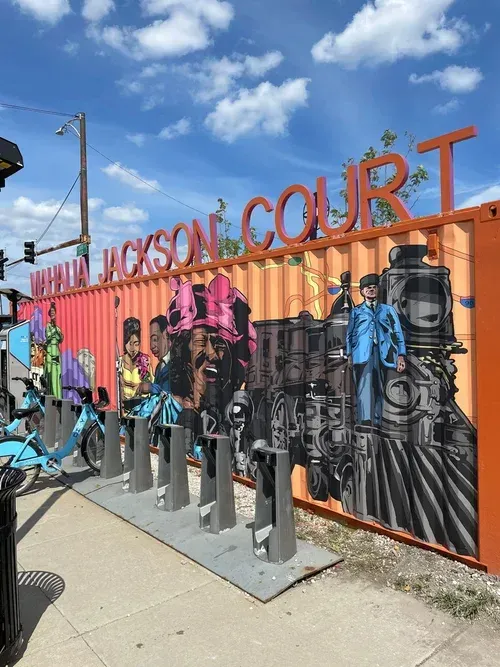
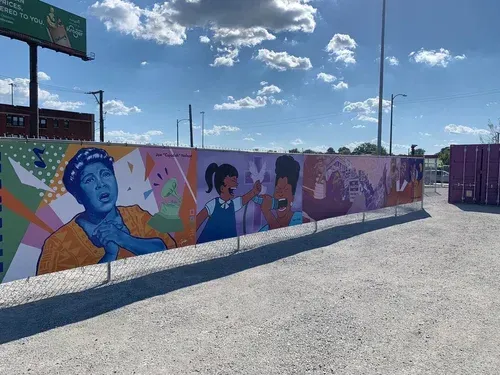
Mahalia’s Murals

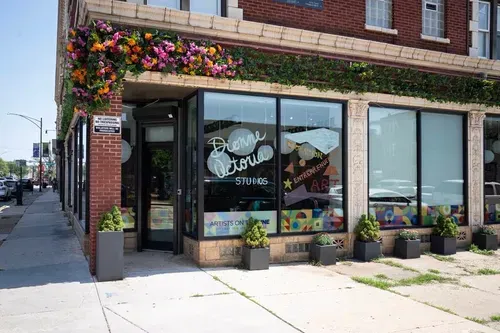
Rent Mahalia Jackson Court or Artists on the 9 for your event!

Rental

Want to volunteer to maintain the space or help manage/execute programs and activities?

Partner with Us

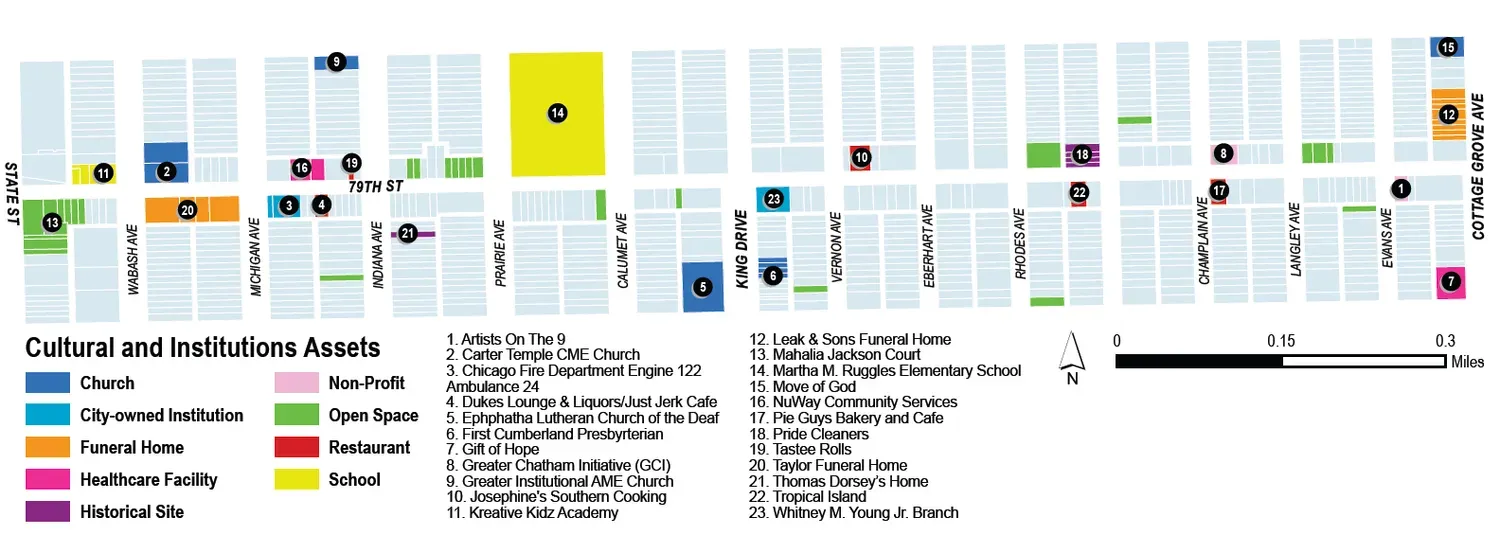
FIND MAHALIA’S MILE

1-mile corridor on South 79th Street from State Street to Cottage Grove Avenue.
Looking for your favorite spot? Check out the directory!

This is the text area for this paragraph. Once you've added your content, you can customize its design by using different colors, fonts, font sizes and bullets. Just highlight the words you want to design and choose from the various options in the text editing bar.

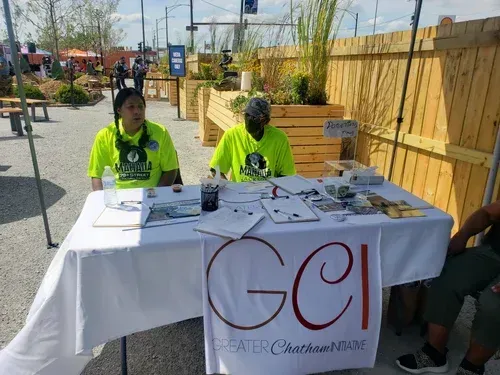
The Greater Chatham Initiative strategically invests in the Chatham, Greater Grand Crossing, Avalon Park, and Auburn Gresham Chicago neighborhoods, so that they can continue being communities of opportunities and choice. Greater Chatham comprises Avalon Park, Auburn Gresham, Chatham and Greater Grand Crossing. The 15-square mile area is roughly bounded by: South Chicago Avenue to the east, the Dan Ryan Woods to the west, 63rd Street to the north, and 87th Street to the south. 117,000 residents call Greater Chatham home.


Other projects led by Greater Chatham Initiative are: Artists on the 9, FoodLab, and Soul Food.


In 2024, the Department of Commerce and Economic Opportunity (DCEO) announced that the Greater Chatham Initiative is designated as a Cultural District in the State of Illinois.


ABOUT MAHALIA JACKSON COURT

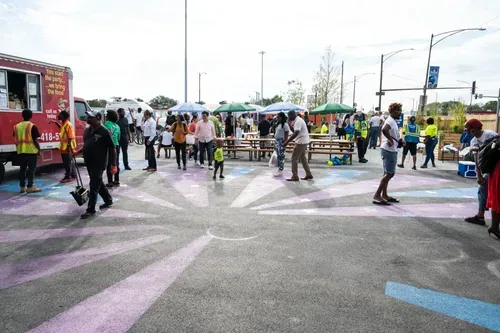
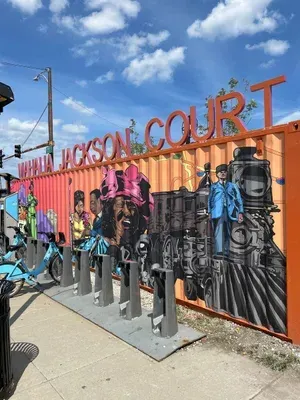
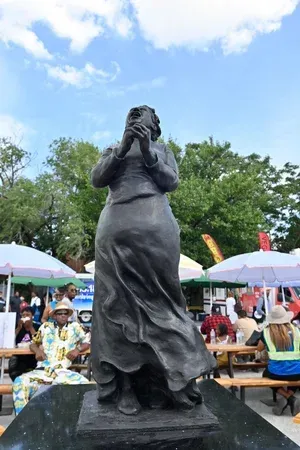
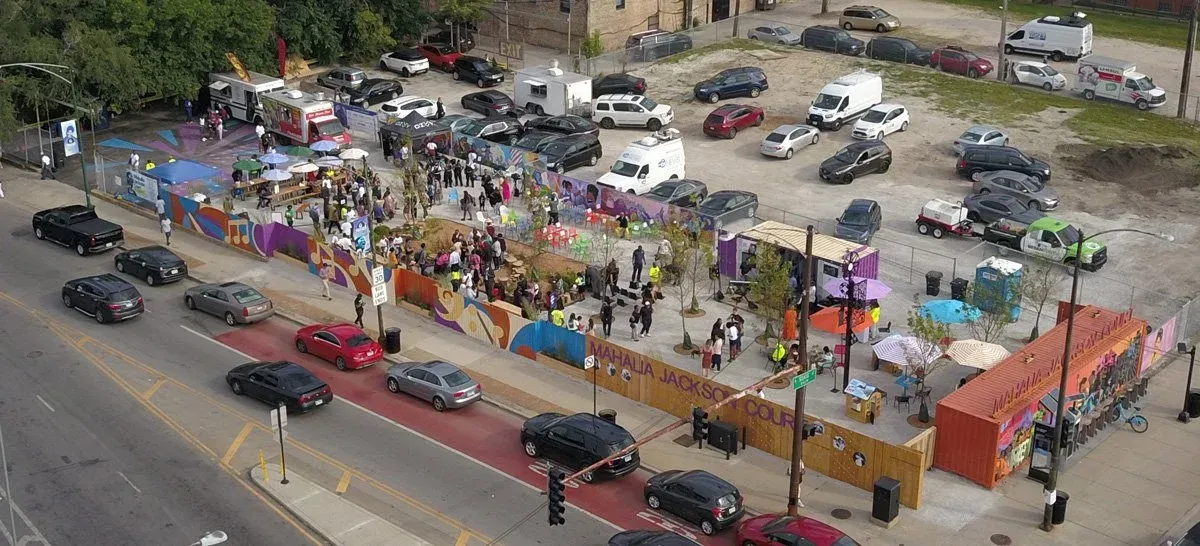
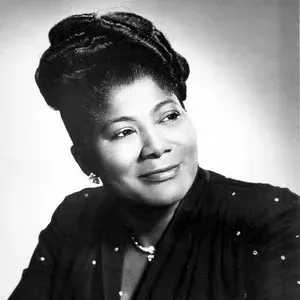
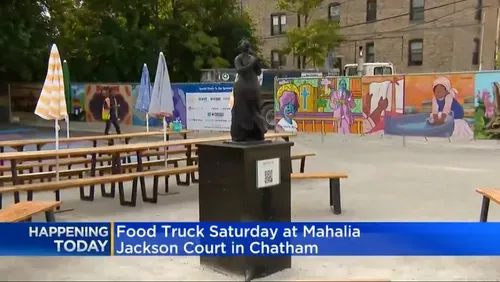
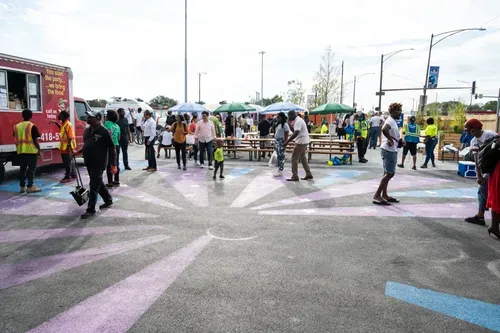
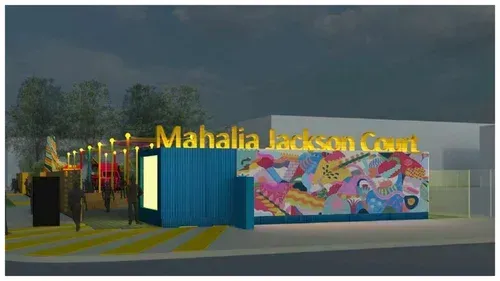
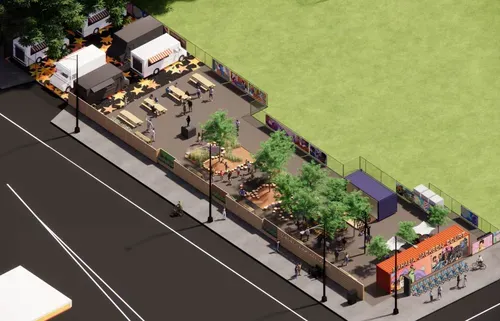
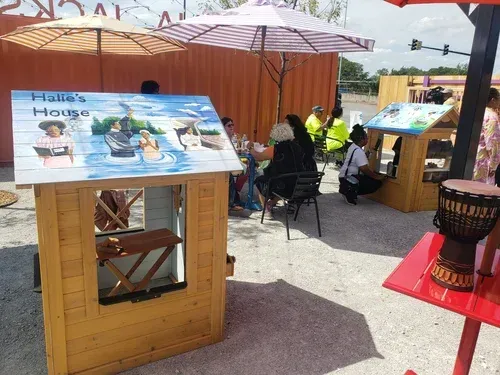
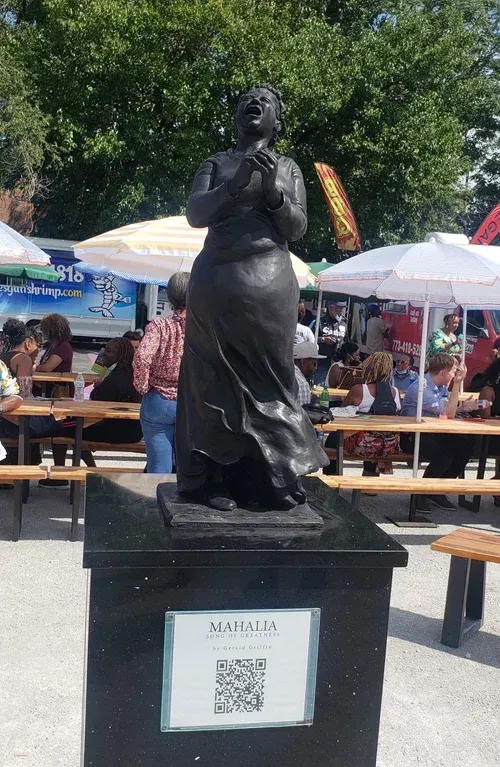
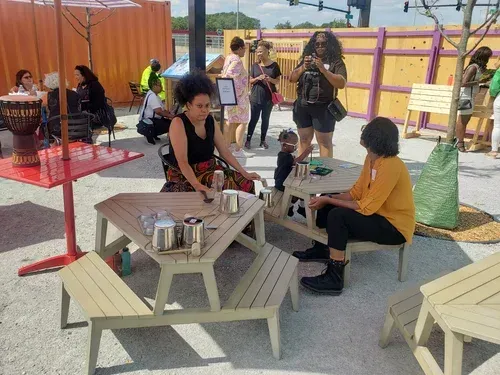
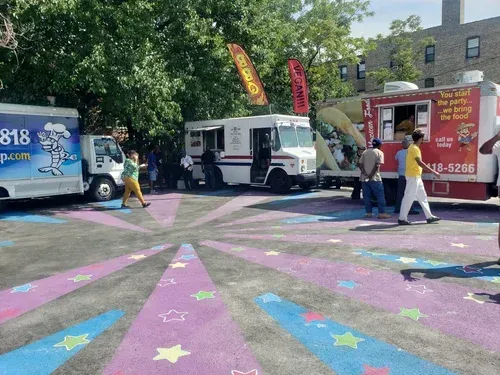
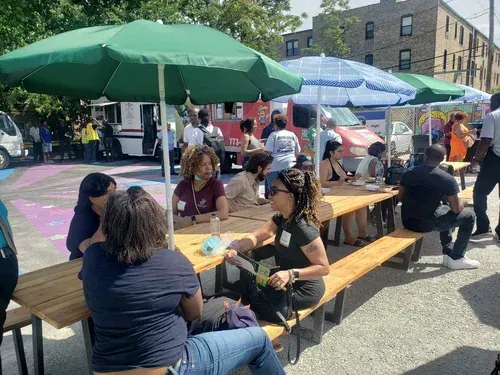
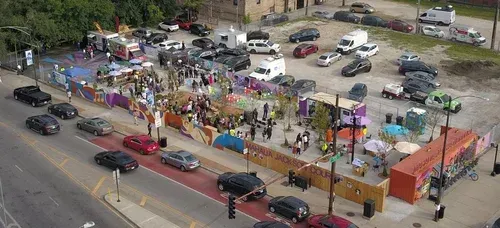
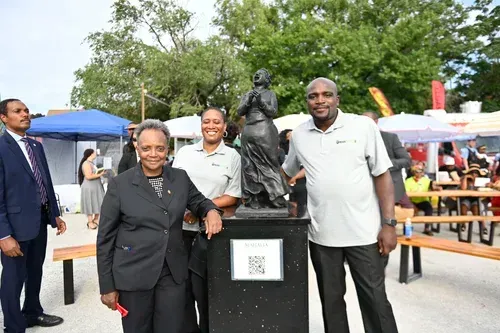
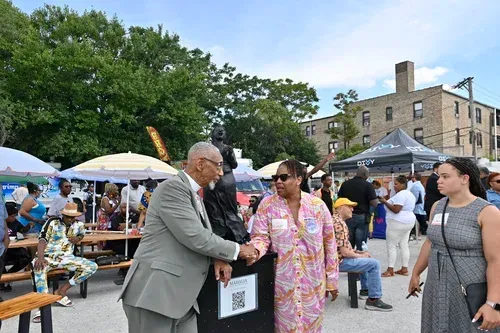
From an empty lot to a vibrant plaza, Mahalia Jackson Court is a new placemaking amenity for the Chatham community. Operated by the Greater Chatham Initiative, Mahalia Jackson Court serves as a community space for congregating, fellowshipping, and celebrating the arts. Named after Chatham transplant and gospel icon Mahalia Jackson, her music provided the early soundtrack for the Chicago Black Arts Movement. Believed to be only the third monument in the city dedicated to a Black woman, Mahalia Jackson Court helps memorialize Black history and culture in Chicago.


The Court is open Monday-Friday from 7-7, Saturday from 9-5, and Sunday from 12-5. The Court is closed during severe weather conditions including lightning and tornado events.

The Transformation of the Mahalia Jackson Court

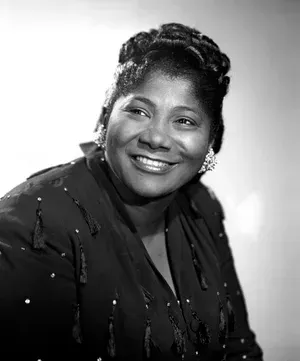
Mahalia Jackson (1911-1972) was an American gospel singer and one of the most influential vocalists in the 20th century. Her ardent advocacy for gospel music throughout her 40+ year career led to considerable and unexpected success in a recording career, selling an estimated 22 million records and performing in front of integrated and secular audiences in concert halls around the world.


Completely self-taught, her recordings captured the attention of jazz fans in the U.S. and France, and she became the first gospel recording artist to tour Europe. Her songstylings captured the attention of international audiences – she made regular television and radio appearances and even sang the national anthem at President John F. Kennedy’s 1961 Inaugural Ball.


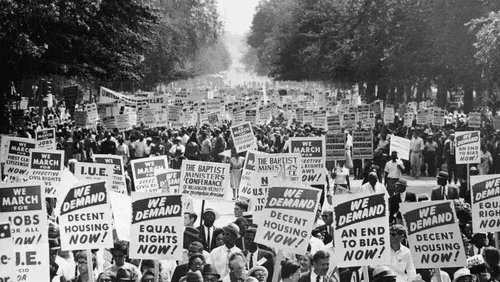
Drawing on her life experiences of growing up in poverty in New Orleans, living and touring throughout the Jim Crow South, she was a passionate civil rights activist. She performed at fundraisers and took the stage at the 1963 March on Washington. Additionally, she developed a close friendship with Martin Luther King Jr.’s family throughout her career.


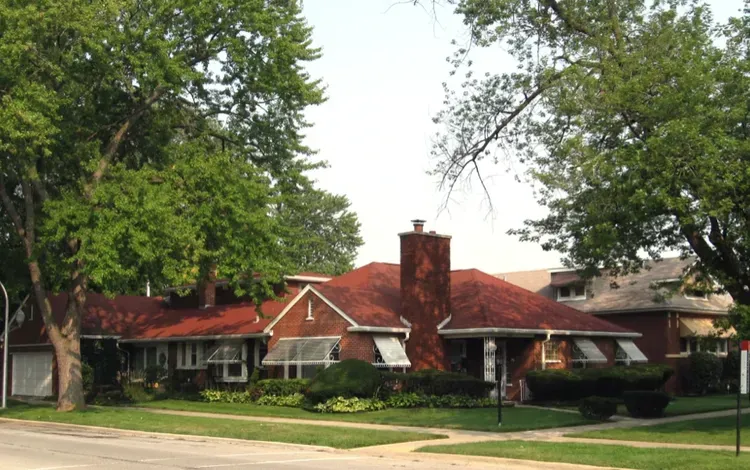
Mahalia’s Home | 8358 S. Indiana Ave.

NEWS / PRESS HIGHLIGHTS

Greater Chatham Initiative Receives State of Illinois Cultural District Designation for Mahalia’s Mile on Chicago’s South Side

February 26, 2024 | News Releas

The State of Illinois is awarding a State-Designated Cultural District to Greater Chatham Initiative (GCI) for Mahalia’s Mile, from 79th and State Street to 79th Street and Cottage Grove Avenue.

15 Neighborhood Groups Get City Grants To Launch Pop-Ups In Empty Storefronts

January 4, 2024 | Block Club Chicago

Economic development groups across Chicago will get up to $300,000 to bring pop-up shops to struggling commercial districts.

Mayor Brandon Johnson Announces $1M in DCASE Grants Supporting Chicago Community-Based Programming

December 5, 2023 | Chicago.Gov

Today, Mayor Brandon Johnson and the Department of Cultural Affairs and Special Events (DCASE) announced 27 “Neighborhood Access Program” grantees, providing $1 million in funding to 27 organizations and artists (89% on the South and West sides) to support community-based programming in their neighborhoods. 

Here's a look at the dozens of new sites to visit for Open House Chicago 2023

October 13, 2023 | NBC Chicago

From Walt Disney’s birthplace to the Chicago Shakespeare Theatre, this year's Open House tour offers up plenty of the city's well-known and hidden gems

Landmarks Illinois wants to redefine historic preservation, and now has a $1 million Driehaus Foundation grant

July 11, 2023 | Chicago Tribune

Chicago’s Driehaus Foundation approved Monday evening $1 million in funding for a Landmarks Illinois program that revives historic buildings on the city’s South and West sides.

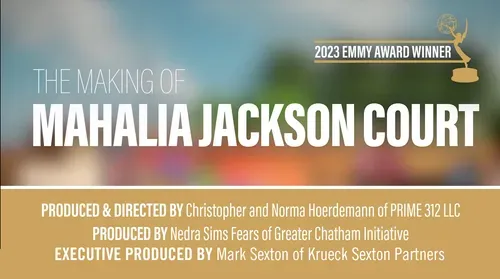
Emmy Award Winning Video: The Making of Mahalia Jackson Court

March 8, 2023 | PRIME

Architects, artists, craftspeople, and community stakeholders work together to rapidly transform a vacant lot on the south side of Chicago into a community gathering space.

$5.5 million grant aims to expand tourism in 12 more underrepresented neighborhoods

January 23, 2023 | Chicago Tribune

The South Side of Chicago is often overlooked, stigmatized or simply ignored, said Nedra Sims Fears, executive director of the Greater Chatham Initiative. But in the past year, Chatham’s hidden gems and its unique culture have been uplifted, attracting visitors from all over the city.

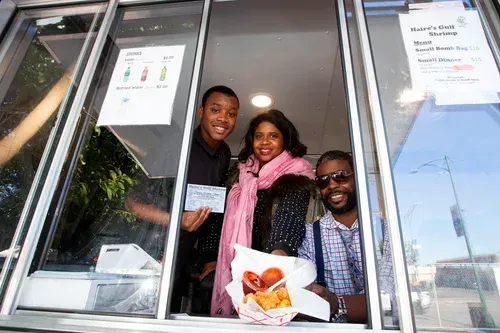
How Food Trucks Help Anchor a South Side Community Initiative

 October 20, 2022 | Eater Chicago

Last month, the city unveiled an 8,500-square-foot outdoor plaza in Chatham, a new area packed with picnic benches and tables all surrounded by works from local artists. 

Food Truck Saturday happening at Mahalia Jackson Court in Chatham

October 15, 2022 | CHICAGO (CBS) 

Along with food trucks, there will be music and other activities.

Mahalia Jackson Court, A Pop-Up Plaza With Restaurants, Art And Play Space, Opens In Chatham

September 3, 2022 | Block Club Chicago

The court dedicated to the South Side gospel singer will have daily food trucks, live music and art from local artists. It is the first step to creating the Mahalia Jackson Cultural District along 79th Street, organizers said.


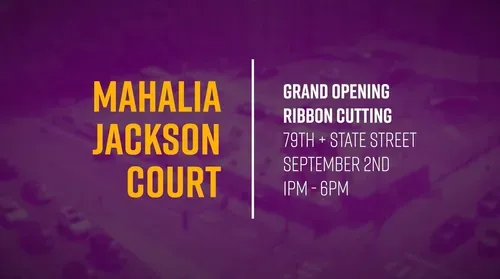
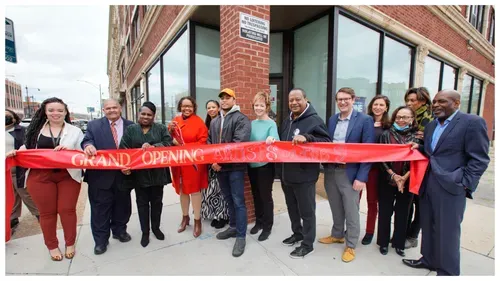
Mahalia Jackson Court September 2nd Ribbon Cutting

August 30, 2022

Behind the Scenes Promotional Video for the unveiling of the Mahalia Jackson Court

A Community Art Space In Chatham Gives Local Creators A Space To Build, Showcase And Collaborate

May 10, 2022 | Block Club Chicago

Artists On The 9, a co-working art space and gallery, is part of what organizers hope will be an entire arts district along 79th Street.

Mahalia Jackson Court, A Public Plaza With Pop-Up Businesses And Play Areas For Kids, Is Coming To Chatham This Summer

April 4, 2022 | Block Club Chicago

The public plaza named for the legendary gospel singer and Chatham resident will be at 79th and State, “one of the welcome intersections to Chatham,” an organizer said.

POP! plazas announced for West Garfield Park, Chatham

March 31, 2022 | Chicago DPD

Projects will receive $500,000 in Chicago Recovery Plan grants to support commercial corridor revitalization efforts

Driehaus Award Video

September 5, 2020

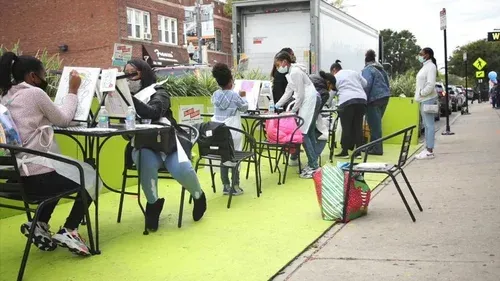
During the pandemic in 2020, The Greater Chatham Initiative opened The 75th Street Boardwalk on Restaurant Row, which won a CNDA, Congress for the New Urbanism, and LAIA winning project. It is in a 2-block area at 203-328 E. 75th Street, Chicago, Illinois. 

MAHALIA JACKSON COURT

ACTIVATE THE SPACE AND/OR
BECOME A VOLUNTEER

Interested in using the space for your programs and events?
Want to volunteer to maintain the space or help manage/execute programs and activities?

Contact info@greaterchathaminitiative.org or 773.644.1451.

Partner with us | Strengthen the community with us

Together we can placekeep and support community, economic and corridor development, environmental justice, homeownership, restaurants, and corridors

Greater Chatham Initiative

info@greaterchathaminitiative.org

773-644-1451


640 E 79th Street, Chicago

Interested in hosting an event or partnering with us?

Or any other feedback, requests, etc. let us know in the comment box below!

Contact Us

Black and white illustration of a newspaper, labeled "NEWS".

In the News

We’re proud to support a community full of energy, creativity, and connection. Explore how our work is making an impact—and how others are sharing that story—in recent articles and press features.

By duda • June 30, 2025
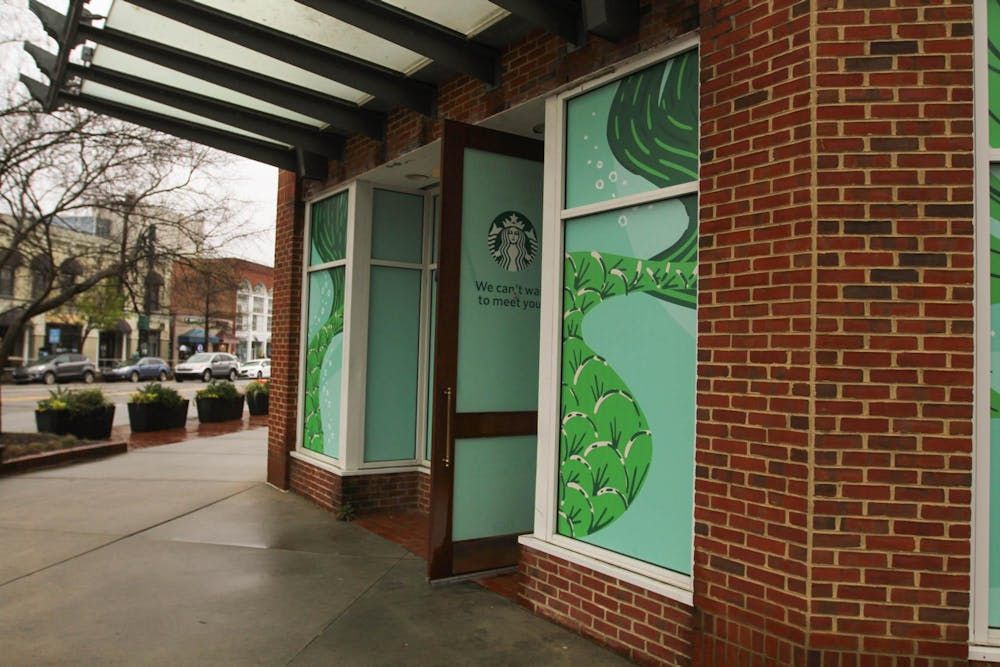
Franklin Street is an iconic Chapel Hill landmark — during the school year, students can be seen enjoying an after-class snack, studying at coffee shops or buying UNC merchandise. Visitors, town residents and students dine, shop and work alongside each other. It is a bustling hub of UNC community life. However, due to decreased patronage during the COVID-19 pandemic, some storefronts on Franklin Street have closed their doors permanently, and the effects are still being felt to this day — for instance, Linda’s Bar & Grill, a staple to the Chapel Hill community, closed this January citing loss of revenue and problems with staffing. Despite this, new developments are coming to Franklin Street. Two storefronts at the intersection of Franklin and Columbia streets, — which previously housedMidici and Seafood Destiny Express — will soon have new life. “Those spaces were empty for quite a long time. And I know everybody in our town was hoping that somebody would come along and fill those spaces,” Jeri Lynn Schulke, executive director for Chapel Hill Downtown Partnership, said. “So thankfully, we saw Raising Cane’s come in last year, and with the two other corners being full, it just gives a lot of vibrancy to downtown that was missing with those empty storefronts.” Starbucks, currently located next to Raising Cane’s, will be moving into a larger space across the street to accommodate more patrons. Raising Cane’s purchased the whole building including the retail space Starbucks currently occupies, and what comes next for that space is still to be announced. Playa Bowls, an acai bowl chain based out of New Jersey, will open next to Starbucks' new location later this summer. Playa Bowls will serve a variety of smoothies, acai bowls and drinks inspired by the founder's travels while surfing. Pulp Juice & Smoothie Bar will move into what was previously Seafood Destiny. Dame’s Chicken and Waffles, which closed earlier this year, will be replaced by Voodoo Wings. In May, Cosmic Cantina moved from its location on 128 E. Franklin St. to 118 E. Franklin St. to expand services and make way for developments related to UNC’s Campus Master Plan. “The biggest change is that we're a storefront. Now we're not so much a hole in the wall,” Yeshua Sanchez, manager of Cosmic Cantina, said. The business is now located on the street — attracting more foot traffic — and is decorated with tiles and memorabilia celebrating Chapel Hill. While the new location may be different aesthetically, the menu remains the same, with the addition of a liquor license and a pressed juice bar. "There's a lot of energy that has been put forward both by the Town and the University in trying to bring more workers to downtown and more people working downtown," Schulke said. Michele Phipps, a junior at UNC, said she wishes that there was somewhere students could sit down and chat without having to pay for food or coffee, or places centered around activities rather than dining. “We have the on-campus spots, but it’s difficult to ask people that don’t specifically go to UNC to meet you at UNC places,” she said. “If you have a lot of friends or family outside of it, it’s annoying.” Schulke said that having more places where people work and people live is going to be beneficial to downtown, including for non-student, year-round residents outside of those associated with UNC.  “[For] so long, we have been a nine-month economy just really focusing on students. So much of the livelihood of downtown businesses has been reliant on students. When they go away for the summer — or the vast majority do — some businesses really struggled through that,” Schulke said. “So changing our economy to one downtown that can be sustained year-round, is really the right move that the town is making.”
By duda • June 30, 2025
Franklin Street is an iconic Chapel Hill landmark — during the school year, students can be seen enjoying an after-class snack, studying at coffee shops or buying UNC merchandise. Visitors, town residents and students dine, shop and work alongside each other. It is a bustling hub of UNC community life. However, due to decreased patronage during the COVID-19 pandemic, some storefronts on Franklin Street have closed their doors permanently, and the effects are still being felt to this day — for instance, Linda’s Bar & Grill, a staple to the Chapel Hill community, closed this January citing loss of revenue and problems with staffing. Despite this, new developments are coming to Franklin Street. Two storefronts at the intersection of Franklin and Columbia streets, — which previously housedMidici and Seafood Destiny Express — will soon have new life. “Those spaces were empty for quite a long time. And I know everybody in our town was hoping that somebody would come along and fill those spaces,” Jeri Lynn Schulke, executive director for Chapel Hill Downtown Partnership, said. “So thankfully, we saw Raising Cane’s come in last year, and with the two other corners being full, it just gives a lot of vibrancy to downtown that was missing with those empty storefronts.” Starbucks, currently located next to Raising Cane’s, will be moving into a larger space across the street to accommodate more patrons. Raising Cane’s purchased the whole building including the retail space Starbucks currently occupies, and what comes next for that space is still to be announced. Playa Bowls, an acai bowl chain based out of New Jersey, will open next to Starbucks' new location later this summer. Playa Bowls will serve a variety of smoothies, acai bowls and drinks inspired by the founder's travels while surfing. Pulp Juice & Smoothie Bar will move into what was previously Seafood Destiny. Dame’s Chicken and Waffles, which closed earlier this year, will be replaced by Voodoo Wings. In May, Cosmic Cantina moved from its location on 128 E. Franklin St. to 118 E. Franklin St. to expand services and make way for developments related to UNC’s Campus Master Plan. “The biggest change is that we're a storefront. Now we're not so much a hole in the wall,” Yeshua Sanchez, manager of Cosmic Cantina, said. The business is now located on the street — attracting more foot traffic — and is decorated with tiles and memorabilia celebrating Chapel Hill. While the new location may be different aesthetically, the menu remains the same, with the addition of a liquor license and a pressed juice bar. "There's a lot of energy that has been put forward both by the Town and the University in trying to bring more workers to downtown and more people working downtown," Schulke said. Michele Phipps, a junior at UNC, said she wishes that there was somewhere students could sit down and chat without having to pay for food or coffee, or places centered around activities rather than dining. “We have the on-campus spots, but it’s difficult to ask people that don’t specifically go to UNC to meet you at UNC places,” she said. “If you have a lot of friends or family outside of it, it’s annoying.” Schulke said that having more places where people work and people live is going to be beneficial to downtown, including for non-student, year-round residents outside of those associated with UNC.  “[For] so long, we have been a nine-month economy just really focusing on students. So much of the livelihood of downtown businesses has been reliant on students. When they go away for the summer — or the vast majority do — some businesses really struggled through that,” Schulke said. “So changing our economy to one downtown that can be sustained year-round, is really the right move that the town is making.”