


About Greater Chatham Initiative in Chicago

Rooted in Chatham & Beyond, we advance community-driven development with integrity, collaboration, and a commitment to lasting impact.

The Journey That Shaped Us

A black and white icon of a target with a flag on it.

Greater Chatham Initiative (GCI) was founded in 2016 as the result of a comprehensive community and economic development plan shaped by residents, local leaders, and partner institutions. It emerged from a shared desire to strengthen the four neighborhoods across a 15-square-mile community in the heart of Chicago’s South Side that makes up Greater Chatham—Chatham, Greater Grand Crossing, Avalon Park, and Auburn Gresham—each with a rich history and deep cultural identity. Bound by 63rd Street, 95th Street, South Chicago Avenue, and the Dan Ryan Woods. From the beginning, GCI focused on building opportunity, preserving heritage, and addressing neighborhood priorities through collaboration. Built on the belief that service starts with people, not transactions.

View of Mahalia Jackson Court mural and signage.

Mission Highlight

A black and white drawing of an eye on a white background.

Our mission is to revitalize Chicago’s South Side by fostering thriving businesses, stable housing, cultural pride, environmental resilience, and community-driven growth for generations to come.

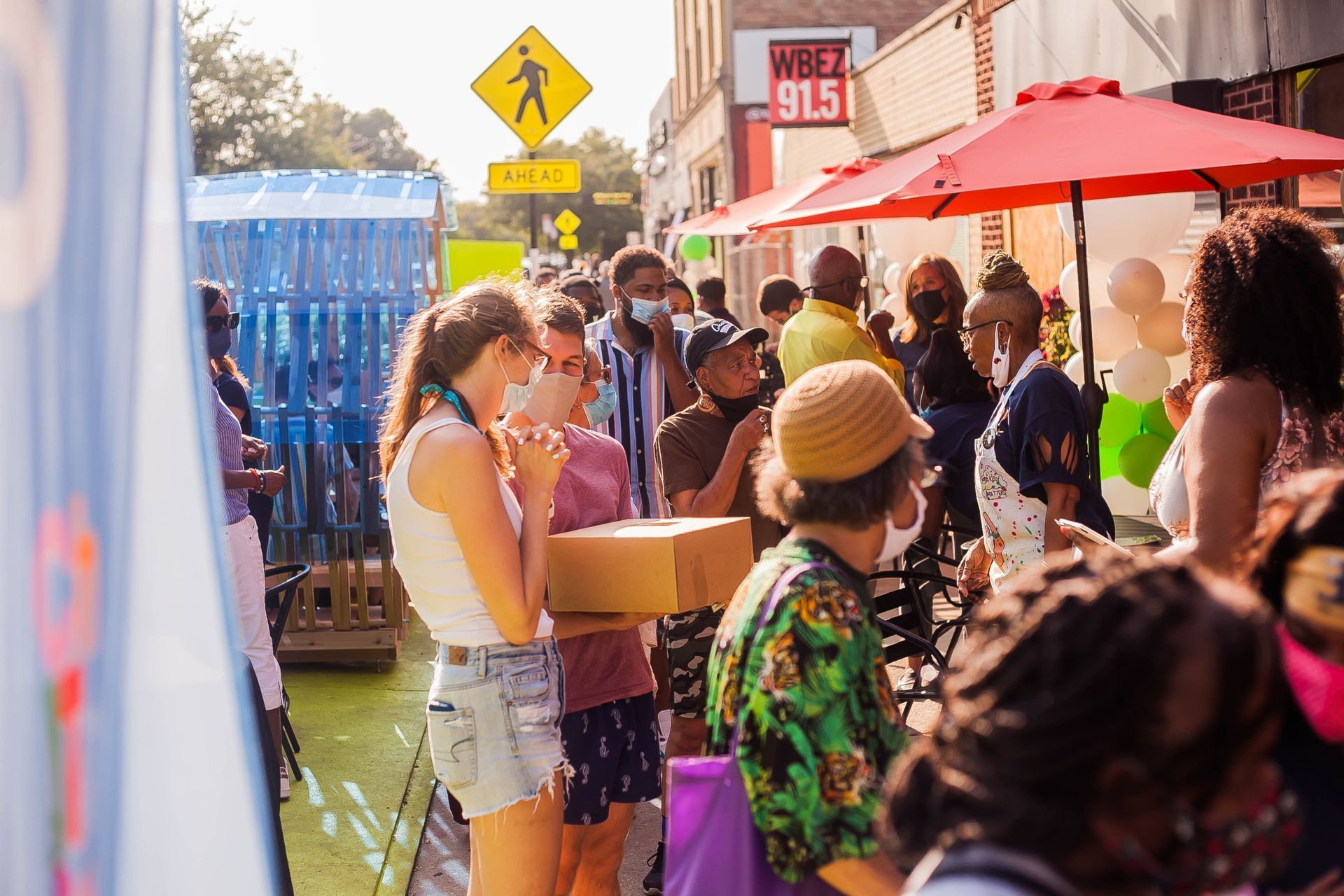
outdoor event with lots of people.

The Values That Define Us

Integrity

We act with honesty and transparency in every program, ensuring that our work consistently reflects the needs and aspirations of our community. These values guide every decision and reinforce trust among residents and partners.

Service

We lead with empathy and commitment, focusing on solutions that uplift families, entrepreneurs, and neighborhoods. Our programs exist to create opportunities that last.

Community

We honor the history, culture, and identity of the South Side, ensuring residents’ voices shape our direction. Every initiative is built through partnership and collaboration.

Expertise

With deep experience in community development and cross-sector partnerships, our team brings practical knowledge to complex neighborhood challenges. This expertise drives meaningful, measurable progress.

Equity

We advance inclusive growth that benefits long-term residents and emerging entrepreneurs alike. Our work prioritizes fairness, access, and opportunity for all.


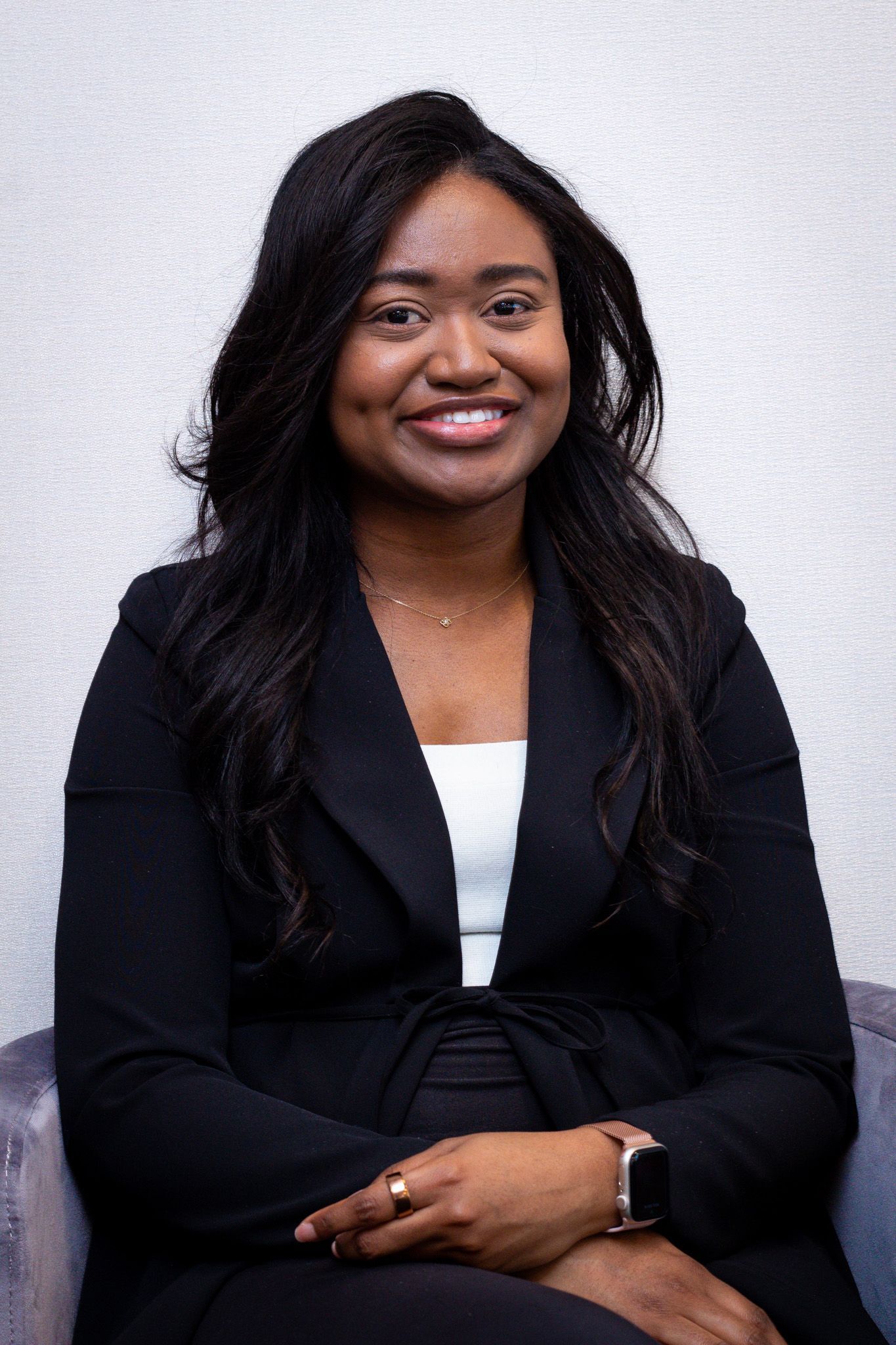
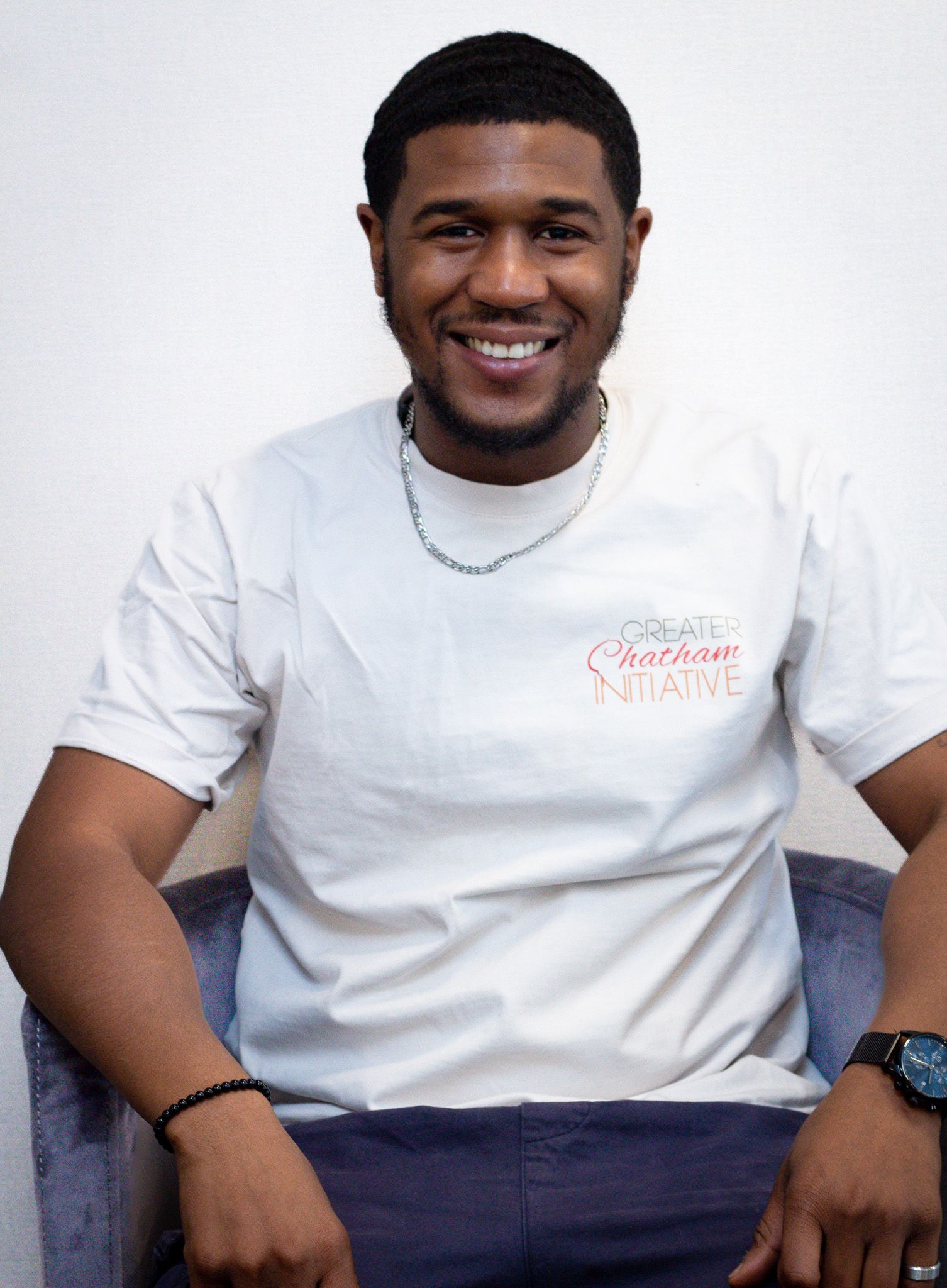
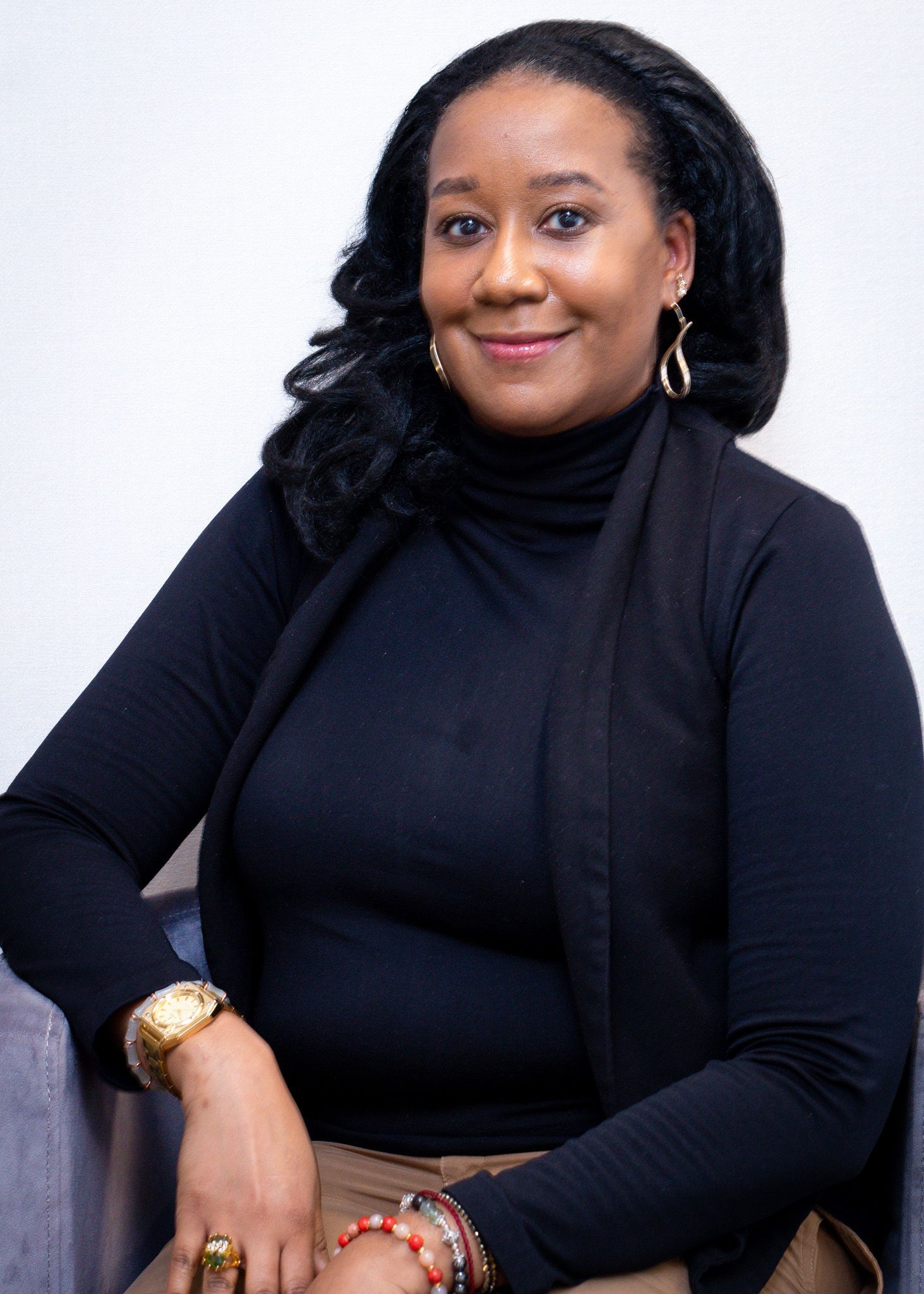
GCI Team Members

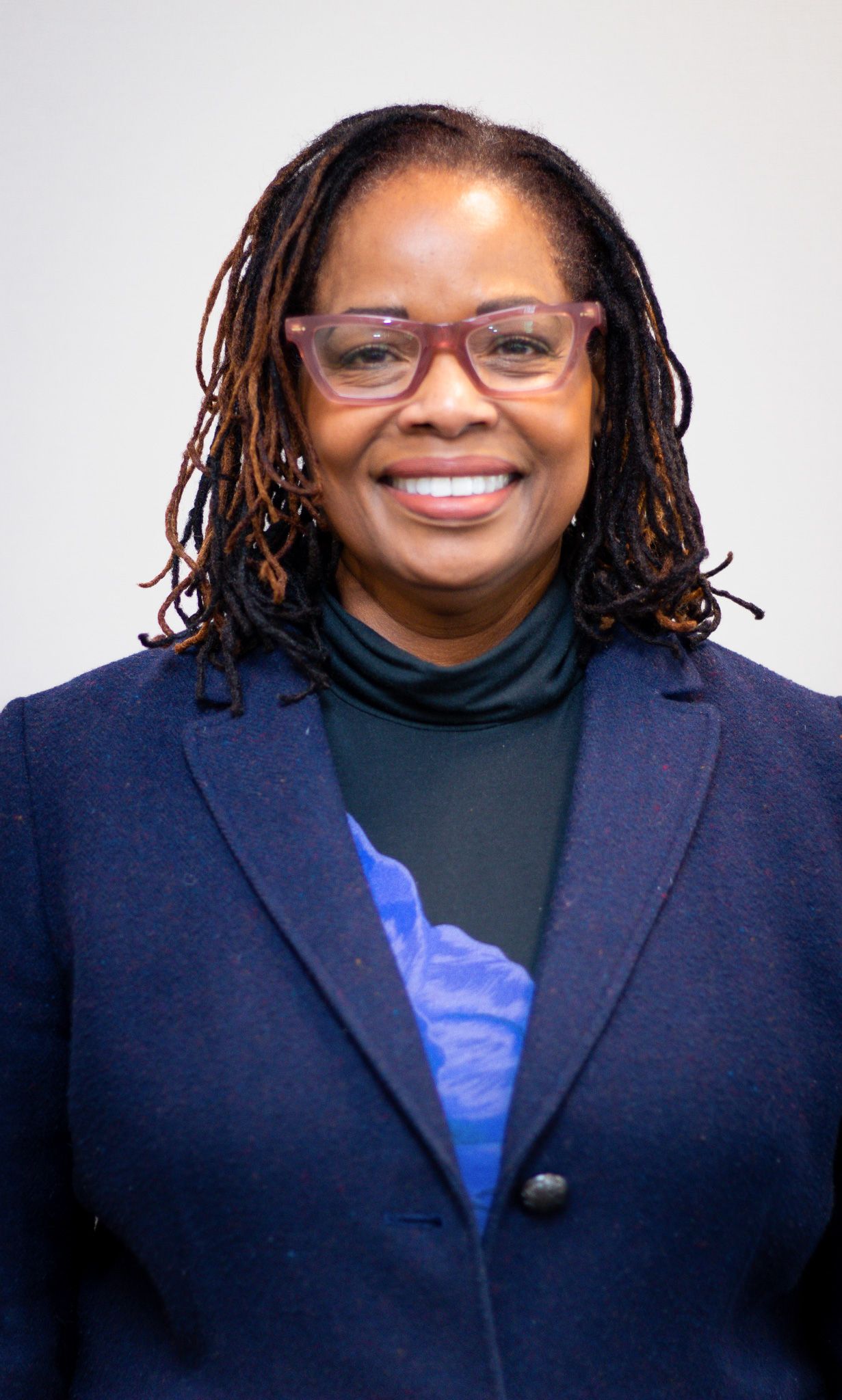
portrait of Nedra Sims Fears, Executive Director.

Nedra Sims Fears

Executive Director

Man with dark hair and beard, wearing a blue button-down shirt, smiling.

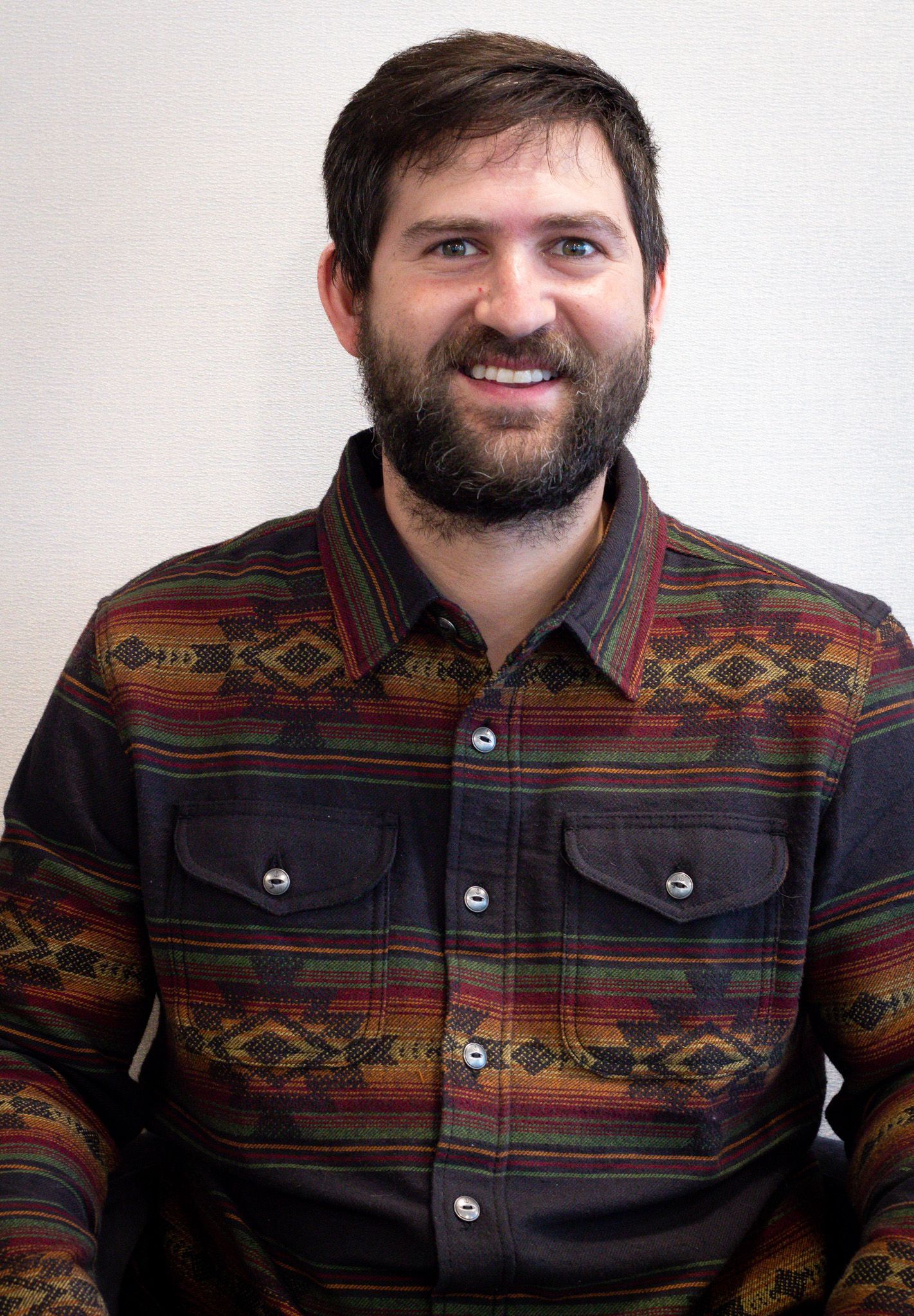
Jeremy Jacobson

Deputy Director

Woman with curly hair smiles, wearing a pink top and black jacket, in front of a building with columns.

Christine Saffold

Director of Impact and Economic Advancement

Woman with dark hair smiling, wearing a patterned top.

Tennille White

Director of Creative Strategy & Cultural Development

Woman wearing glasses, a red shirt, and black jewelry smiles in a wood-paneled room.

Rene Thomas

Communications and Logistics

Man with glasses in blue shirt and navy blazer smiles against white backdrop.

John Handler

Senior Project Manager

A man in a suit smiles, wearing a tie; studio portrait.

Armani Thomas

Arborist

Portrait of Dion Turner, Project Coordinator.

Dion Turner

Project Coordinator

Smiling Black man wearing a gray suit jacket.

Robert Dawson

E-Commerce Platform Expert

Woman smiling, leaning in, arm at cheek, wearing black jacket, dark curly hair.

Tonya Patterson

Operations Manager

Woman with long, dark hair smiles outdoors, wearing a dark top and burgundy jacket; green background.

Lilly Rankins

Lead Program Manager for FoodLab Scaling

Smiling Black man wearing a gray suit jacket.

Robert Dawson

E-Commerce Platform Expert

GCI Board Members

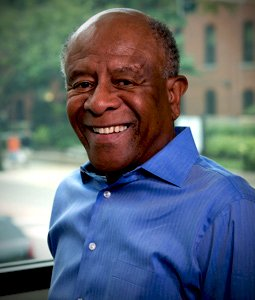
Man in a blue shirt smiling. Sunlight is in the background.

Michael Bennett

Retired From DePaul University

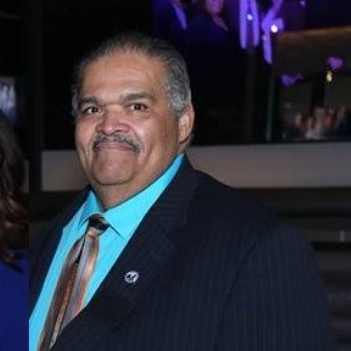
Man in blue shirt, striped tie, and dark suit smiling, in a brightly lit setting.

Urie Clark

Retired lawyer

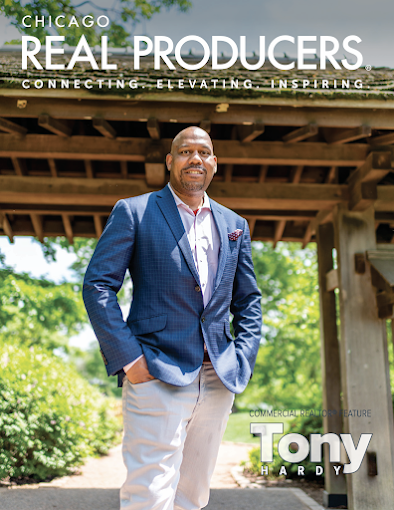
Magazine cover: Man in blue blazer stands at a garden archway. The magazine title is

Anthony Hardy

Keller Williams/South Side Community Investors Assoc

Woman with braided hair, rests chin on hand, looking towards the camera.

Carmen Gardner

Momentum Management Group

Woman with curly gray hair and glasses smiles at the camera, wearing a light cardigan.

Gretchen Kleinhart

Built for Purpose

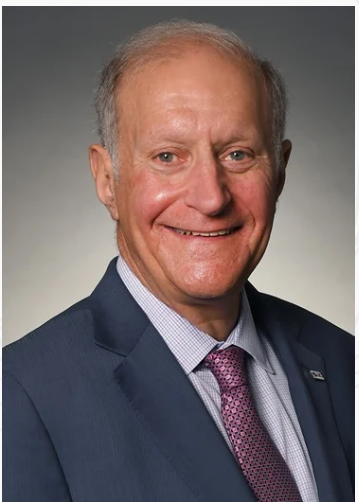
Smiling man in a blue suit and purple tie, against a gray background.

John Levi

Sidley Austin

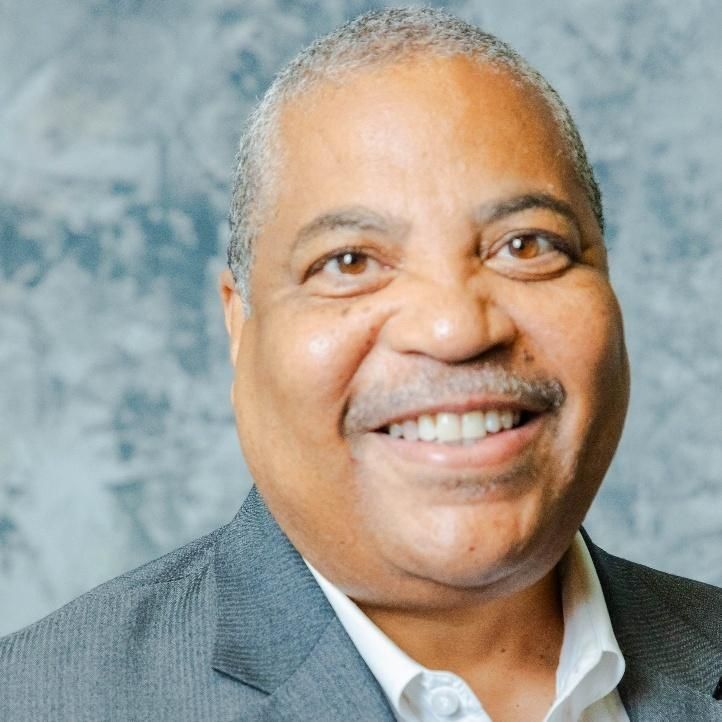
Man with short grey hair and mustache smiling, wearing a gray blazer and white shirt.

Carlos Nelson

Greater Auburn-Gresham Development Corporation

Woman with short brown hair smiles, leans against a white column, wears a dark top, and earrings.

Jennifer Parks

Habitat for Humanity, Chicago

Woman with dark hair in a bun smiling, wearing a black sleeveless top, indoors.

Allison Porter-Bell

BMO Harris Bank

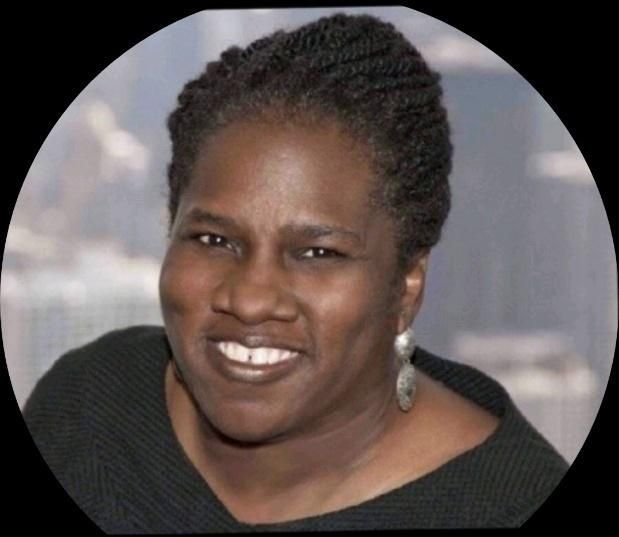
Woman with short, dark braided hair, smiling, wearing large earrings and a black top. Blurred cityscape in background.

Teresa Prim

Prim Lawrence Group

Woman smiling, framed by yellow autumn leaves; wears white shirt and overalls in park setting.

Tiffany Smith

Heartland Consulting

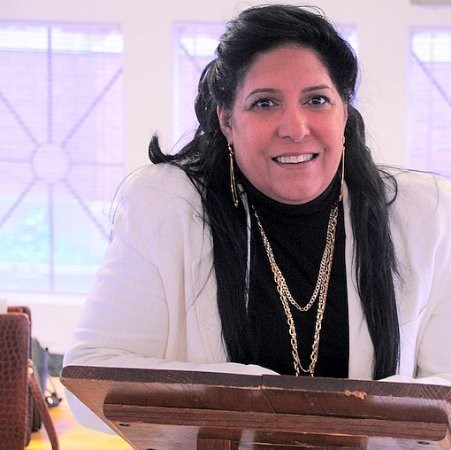
Woman in white blazer and black turtleneck smiles at a lectern with a window behind her.

Darlene Tribue

Park Manor Neighbors' Community Council

Smiling man in a suit jacket, near a window.

Robert Weissbourd

RW Ventures, LLC

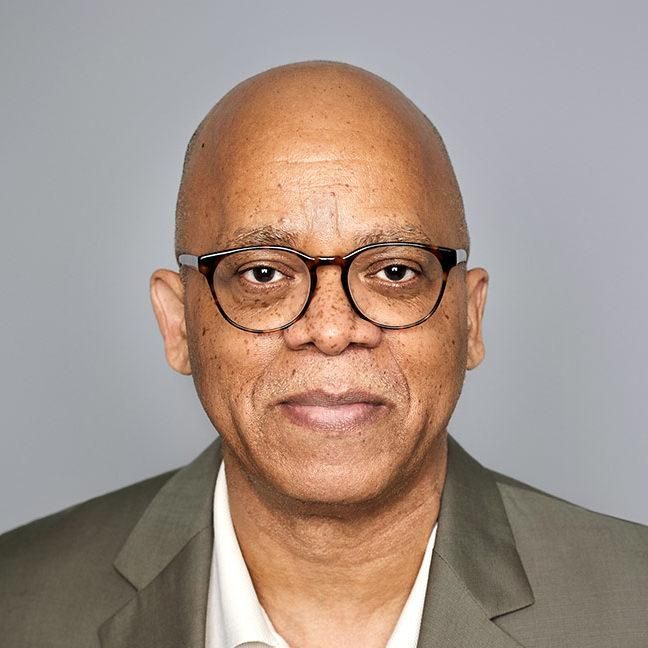
Bald man wearing glasses, khaki jacket, smiling in front of a neutral gray background.

Terry Young

IFF

Woman with short, dark braided hair, smiling, wearing large earrings and a black top. Blurred cityscape in background.

Stacie Young

Community Investment Corp

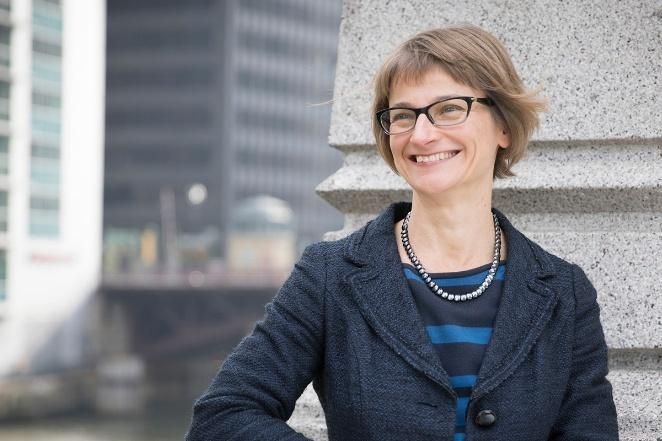
Woman smiling, wearing glasses and a blazer, outdoors near a concrete structure, city background.

Stacie Young

Community Investment Corp


Proudly Serving Chicago’s South Side & Beyond

A black and white icon of a target with a flag on it.

Greater Chatham is home to more than 120,000 residents across Chatham, Greater Grand Crossing, Avalon Park, and Auburn Gresham—all neighborhoods with a powerful African-American heritage and enduring cultural influence. Our work spans these communities, supporting local entrepreneurs, homeowners, cultural creators, and youth through programs that encourage stability and growth. We collaborate with residents, block clubs, and grassroots partners to ensure that development remains community-led and community-centered. Together, these neighborhoods form a vibrant region celebrated as Chicago’s “soul food and Caribbean food district.”


We have earned recognition from major civic and philanthropic partners, including support from the MacArthur Foundation and collaboration with City of Chicago initiatives. As an officially designated Illinois Cultural District on 79th Street, GCI leads cultural, economic, and community-building efforts that bring visibility and investment to the South Side. Our partnerships and achievements reflect years of dedication to revitalization, entrepreneurship, environmental resilience, and cultural preservation.

Land Acknowledgment

Indigenous American Settlement

For much of its natural history, Chatham, the place, was a swamp and wetlands that Native Americans mostly traveled through on trails to manage trade and other business during the warmer months, and may have lived in episodically as the ground became habitable and the water receded from the land. Native American tribes--Potawatomi, Ojibwe, Odawa, Miami Nation, Ho-Chunk Nation, Sac and Fox Nation, and Kickapoo-- seasonally migrated through and stayed in the area. Little is known about Chatham's pre-colonial inhabitants, but in general, much of Chicago was considered Potawatomi lands. A coalition of Native American tribes led by Sauk warrior Black Hawk lost a war to the government and militia in 1832 that resulted in Native Americans being forced off their land in an 1833 treaty, which is the same year Chicago was incorporated as a town. Most Native Americans were removed from the region at that time.


European American Settlement

In the 1860s, farmers hunted ducks in the area and nicknamed it “mud lake” or “hogs' swamp”. Per Chicago Gang History, “The area did not gain significant settlement until the construction of the Avalon Park community nearby, which brought Italian stonemasons to settle in the area as they built homes in Avalon Park. In 1889, this community was annexed into the city of Chicago. Then, Hungarian and Irish railroad workers moved into the new Dauphin Park subdivision, further developing the community. In the 1900s, as more steel mills opened their doors in surrounding communities, more European migration came to Chatham.” Chicago Gang History continues, “In the year 1914, the subdivisions of Central Chatham and Chatham Fields began construction, and the community adopted the name “Chatham” for the neighborhood name.”


Known for its iconic terra cotta commercial buildings, which were first established along Cottage Grove Avenue, 75th Street, and 79th Street. These now historic neighborhood commercial buildings were designed in the fashionable architectural styles of the early 1900s, including Classical, Renaissance, Gothic, and Spanish Revival Styles, as well as Chicago-originated styles Prairie and Sullivanesque.

Black and white newspaper icon with "NEWS" headline.

In the News

We’re proud to support a community full of energy, creativity, and connection. Explore how our work is making an impact—and how others are sharing that story—in recent articles and press features.

By duda June 30, 2025
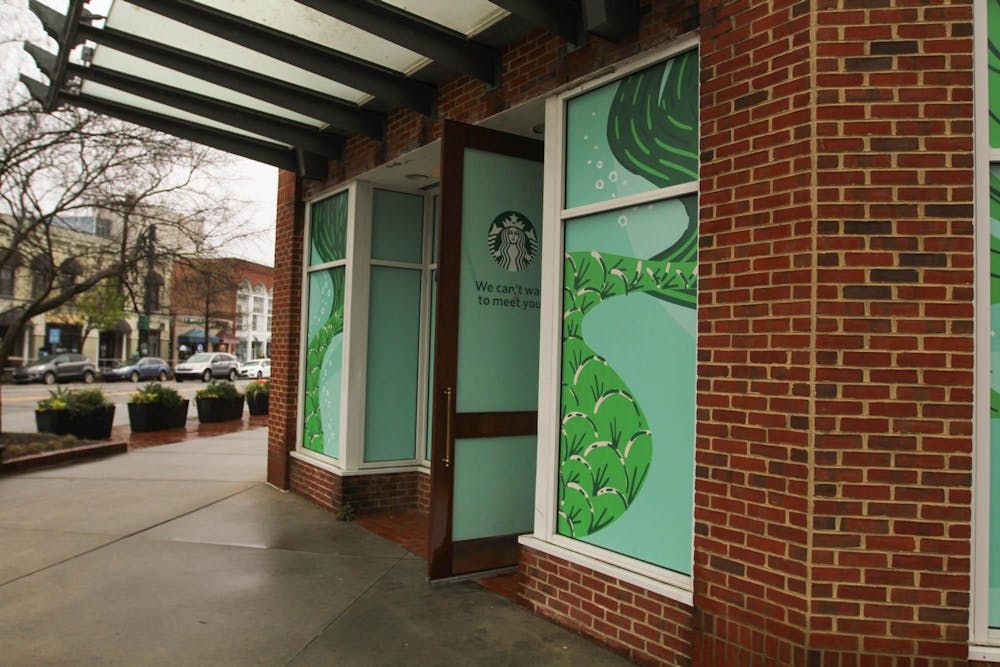
Franklin Street is an iconic Chapel Hill landmark — during the school year, students can be seen enjoying an after-class snack, studying at coffee shops or buying UNC merchandise. Visitors, town residents and students dine, shop and work alongside each other. It is a bustling hub of UNC community life. However, due to decreased patronage during the COVID-19 pandemic, some storefronts on Franklin Street have closed their doors permanently, and the effects are still being felt to this day — for instance, Linda’s Bar & Grill, a staple to the Chapel Hill community, closed this January citing loss of revenue and problems with staffing. Despite this, new developments are coming to Franklin Street. Two storefronts at the intersection of Franklin and Columbia streets, — which previously housedMidici and Seafood Destiny Express — will soon have new life. “Those spaces were empty for quite a long time. And I know everybody in our town was hoping that somebody would come along and fill those spaces,” Jeri Lynn Schulke, executive director for Chapel Hill Downtown Partnership, said. “So thankfully, we saw Raising Cane’s come in last year, and with the two other corners being full, it just gives a lot of vibrancy to downtown that was missing with those empty storefronts.” Starbucks, currently located next to Raising Cane’s, will be moving into a larger space across the street to accommodate more patrons. Raising Cane’s purchased the whole building including the retail space Starbucks currently occupies, and what comes next for that space is still to be announced. Playa Bowls, an acai bowl chain based out of New Jersey, will open next to Starbucks' new location later this summer. Playa Bowls will serve a variety of smoothies, acai bowls and drinks inspired by the founder's travels while surfing. Pulp Juice & Smoothie Bar will move into what was previously Seafood Destiny. Dame’s Chicken and Waffles, which closed earlier this year, will be replaced by Voodoo Wings. In May, Cosmic Cantina moved from its location on 128 E. Franklin St. to 118 E. Franklin St. to expand services and make way for developments related to UNC’s Campus Master Plan. “The biggest change is that we're a storefront. Now we're not so much a hole in the wall,” Yeshua Sanchez, manager of Cosmic Cantina, said. The business is now located on the street — attracting more foot traffic — and is decorated with tiles and memorabilia celebrating Chapel Hill. While the new location may be different aesthetically, the menu remains the same, with the addition of a liquor license and a pressed juice bar. "There's a lot of energy that has been put forward both by the Town and the University in trying to bring more workers to downtown and more people working downtown," Schulke said. Michele Phipps, a junior at UNC, said she wishes that there was somewhere students could sit down and chat without having to pay for food or coffee, or places centered around activities rather than dining. “We have the on-campus spots, but it’s difficult to ask people that don’t specifically go to UNC to meet you at UNC places,” she said. “If you have a lot of friends or family outside of it, it’s annoying.” Schulke said that having more places where people work and people live is going to be beneficial to downtown, including for non-student, year-round residents outside of those associated with UNC.  “[For] so long, we have been a nine-month economy just really focusing on students. So much of the livelihood of downtown businesses has been reliant on students. When they go away for the summer — or the vast majority do — some businesses really struggled through that,” Schulke said. “So changing our economy to one downtown that can be sustained year-round, is really the right move that the town is making.”
By duda June 30, 2025
Franklin Street is an iconic Chapel Hill landmark — during the school year, students can be seen enjoying an after-class snack, studying at coffee shops or buying UNC merchandise. Visitors, town residents and students dine, shop and work alongside each other. It is a bustling hub of UNC community life. However, due to decreased patronage during the COVID-19 pandemic, some storefronts on Franklin Street have closed their doors permanently, and the effects are still being felt to this day — for instance, Linda’s Bar & Grill, a staple to the Chapel Hill community, closed this January citing loss of revenue and problems with staffing. Despite this, new developments are coming to Franklin Street. Two storefronts at the intersection of Franklin and Columbia streets, — which previously housedMidici and Seafood Destiny Express — will soon have new life. “Those spaces were empty for quite a long time. And I know everybody in our town was hoping that somebody would come along and fill those spaces,” Jeri Lynn Schulke, executive director for Chapel Hill Downtown Partnership, said. “So thankfully, we saw Raising Cane’s come in last year, and with the two other corners being full, it just gives a lot of vibrancy to downtown that was missing with those empty storefronts.” Starbucks, currently located next to Raising Cane’s, will be moving into a larger space across the street to accommodate more patrons. Raising Cane’s purchased the whole building including the retail space Starbucks currently occupies, and what comes next for that space is still to be announced. Playa Bowls, an acai bowl chain based out of New Jersey, will open next to Starbucks' new location later this summer. Playa Bowls will serve a variety of smoothies, acai bowls and drinks inspired by the founder's travels while surfing. Pulp Juice & Smoothie Bar will move into what was previously Seafood Destiny. Dame’s Chicken and Waffles, which closed earlier this year, will be replaced by Voodoo Wings. In May, Cosmic Cantina moved from its location on 128 E. Franklin St. to 118 E. Franklin St. to expand services and make way for developments related to UNC’s Campus Master Plan. “The biggest change is that we're a storefront. Now we're not so much a hole in the wall,” Yeshua Sanchez, manager of Cosmic Cantina, said. The business is now located on the street — attracting more foot traffic — and is decorated with tiles and memorabilia celebrating Chapel Hill. While the new location may be different aesthetically, the menu remains the same, with the addition of a liquor license and a pressed juice bar. "There's a lot of energy that has been put forward both by the Town and the University in trying to bring more workers to downtown and more people working downtown," Schulke said. Michele Phipps, a junior at UNC, said she wishes that there was somewhere students could sit down and chat without having to pay for food or coffee, or places centered around activities rather than dining. “We have the on-campus spots, but it’s difficult to ask people that don’t specifically go to UNC to meet you at UNC places,” she said. “If you have a lot of friends or family outside of it, it’s annoying.” Schulke said that having more places where people work and people live is going to be beneficial to downtown, including for non-student, year-round residents outside of those associated with UNC.  “[For] so long, we have been a nine-month economy just really focusing on students. So much of the livelihood of downtown businesses has been reliant on students. When they go away for the summer — or the vast majority do — some businesses really struggled through that,” Schulke said. “So changing our economy to one downtown that can be sustained year-round, is really the right move that the town is making.”